Bring Authentic Age to Your Projects with Newspaper Overlays
More Than Just a Background: A Textural Storyteller
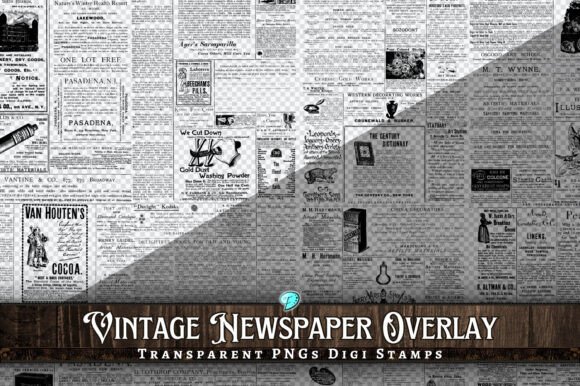
In the world of digital design, achieving an authentic vintage feel often requires more than just a sepia filter. The Vintage Newspaper Overlay Digi Stamps pack offers a tangible connection to the past, providing a collection of ten distinct transparent PNG overlays. These aren't simple, repetitive textures; they are carefully curated 8.5 x 11" assets at 300dpi, designed to integrate seamlessly into your workflow. Each overlay captures the nuanced patina of aged newsprint—the subtle grain of the paper, the faint ghosting of print, and the occasional foxing or fold that tells a story. The personality here is one of quiet authenticity and nostalgic warmth, making it a versatile tool for designers, crafters, and entrepreneurs looking to infuse their work with history and character.
The true appeal of these design assets lies in their adaptability. As transparent PNGs, they function as a layer over your existing work, allowing the underlying colors and content to show through. This means you can apply a vintage newspaper effect to a modern photograph, a bold graphic, or a simple text layout without obscuring the core message. The result is a sophisticated blend of old and new, where the overlay adds depth and visual interest without overwhelming the primary design. This approach is far more flexible than using a static background paper, offering endless possibilities for customization.
Strategic Applications for Modern Creators
Understanding where to deploy these overlays is key to unlocking their full potential. For brand identity and packaging design, they can establish a heritage or artisanal quality. Imagine a coffee roaster using a subtle newspaper texture on their label to evoke a sense of timeless craftsmanship, or a boutique bakery incorporating it into their menu design for a rustic, homey feel. The overlays help build a visual narrative that resonates with audiences seeking authenticity.
In the realms of editorial design and publishing, these assets are invaluable. They can be used to create compelling magazine layouts, book covers, or interior pages that reference historical themes, mystery, or classic literature. For web design and social media graphics, a carefully placed overlay can break the monotony of clean, digital interfaces, adding a tactile quality that catches the eye in a scrolling feed. A blog header for a history enthusiast, a social media post promoting an antique shop, or a digital scrapbook page can all benefit immensely from this touch of analog charm.
For the hands-on crafter, the applications are equally rich. The pack includes card making templates as inspiration, but the uses extend far beyond that. These overlays are perfect for printable papers, creating unique backgrounds for junk journals, or designing ephemera pieces like tags and envelopes. The high-resolution 300dpi ensures that prints are crisp and detailed, whether you're producing them on a home printer or sending them to a professional service. This makes them a practical asset for both personal projects and commercial ventures, like selling handmade cards or curated journal kits.
Integrating the Overlays: Practical Workflow Tips
Working with these files is straightforward, but a few practical considerations can enhance your results. First, always start with your base design—your photo, layout, or text. Then, place the Vintage Newspaper Overlay on a layer above it. Experiment with different blend modes in your editing software. "Multiply" will darken the image and blend the tones naturally, often yielding the most authentic aged look. "Overlay" or "Soft Light" can add texture while preserving more of the original color vibrancy. Adjusting the layer's opacity is crucial; sometimes a 30% opacity is all you need to suggest age without dominating the composition.
When evaluating project fit, consider your audience and message. This style works exceptionally well for projects related to history, vintage nostalgia, classic literature, rustic weddings, artisanal products, or any context where a sense of timelessness and story is desired. It may be less suitable for ultra-modern, minimalist tech brands or children's products requiring bright, clean aesthetics.
A key strength of this pack is its focus on texture rather than typography. While it includes serif font and sans serif font suggestions within the templates, the overlays themselves are type-agnostic. This allows you to pair them with any typeface that suits your brand—a script font for elegance, a handwritten font for a personal touch, or a bold display font for impact. The overlay provides the atmosphere; your chosen font delivers the message. This separation makes it a powerful tool for maintaining a consistent brand identity across various applications.
Finally, a note on file management. The digital pack includes both Mac and Windows versions. If you're a Windows user, avoid files prefixed with "._" as they are macOS metadata. The primary, usable files are clearly labeled. By thoughtfully integrating these overlays, you move beyond simply adding a filter. You're incorporating a layer of authentic visual history that can elevate your design, engage your audience on an emotional level, and provide a distinct, professional edge to your creative projects.